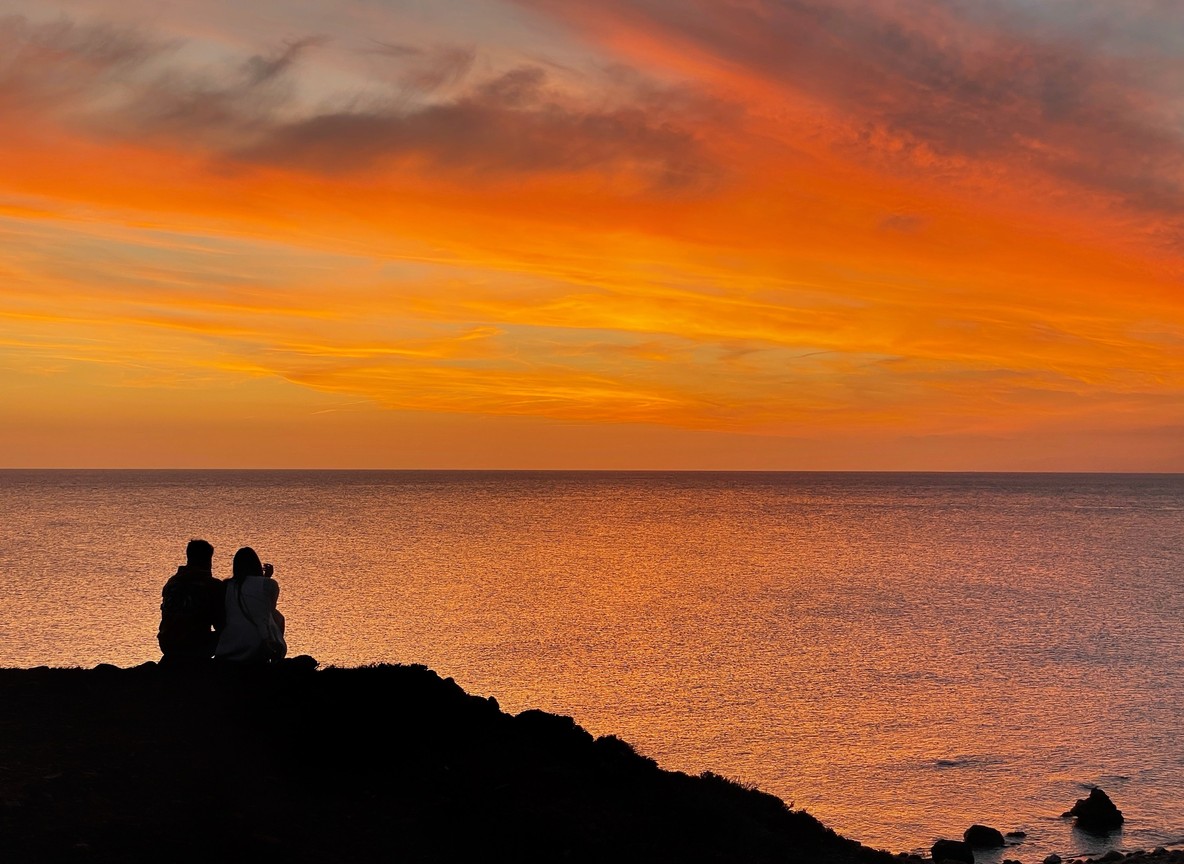
Kenya has two dry seasons, not one, and picking the right one changes your whole honeymoon. The long dry season runs from June through October. A shorter dry spell follows from January through February. Each one delivers a different trip, at a different price, with different crowds. Touring Insights breaks down what each window actually looks like on the ground, so you can match the calendar to the honeymoon you want.
Kenya’s Two Dry Seasons Explained
Most of Kenya’s safari country, including the Masai Mara and Amboseli, follows a four-season rainfall pattern. Long rains fall from March through May. A long dry season follows from June through October. Short rains arrive in November and December. Then a second, shorter dry spell runs January into February.
Dry season matters for a honeymoon because it affects road conditions, game visibility, and mosquito activity. Grass is shorter and animals gather near permanent water, which makes them easier to spot. Camp transfers by road stay smooth instead of turning into a mud slog. Clear skies also mean better photos for your own memories, not just the guidebook shots.
Timing also shapes the honeymoon extras that matter most to couples. Sundowner spots stay accessible by vehicle in dry months, while a private bush breakfast is easier to pull off when the ground is firm underfoot. None of that is guaranteed in the rains, so if those small rituals matter to your trip, weight your calendar choice toward one of the two dry windows below.
Peak Dry Season (June to October): Migration and Big Crowds
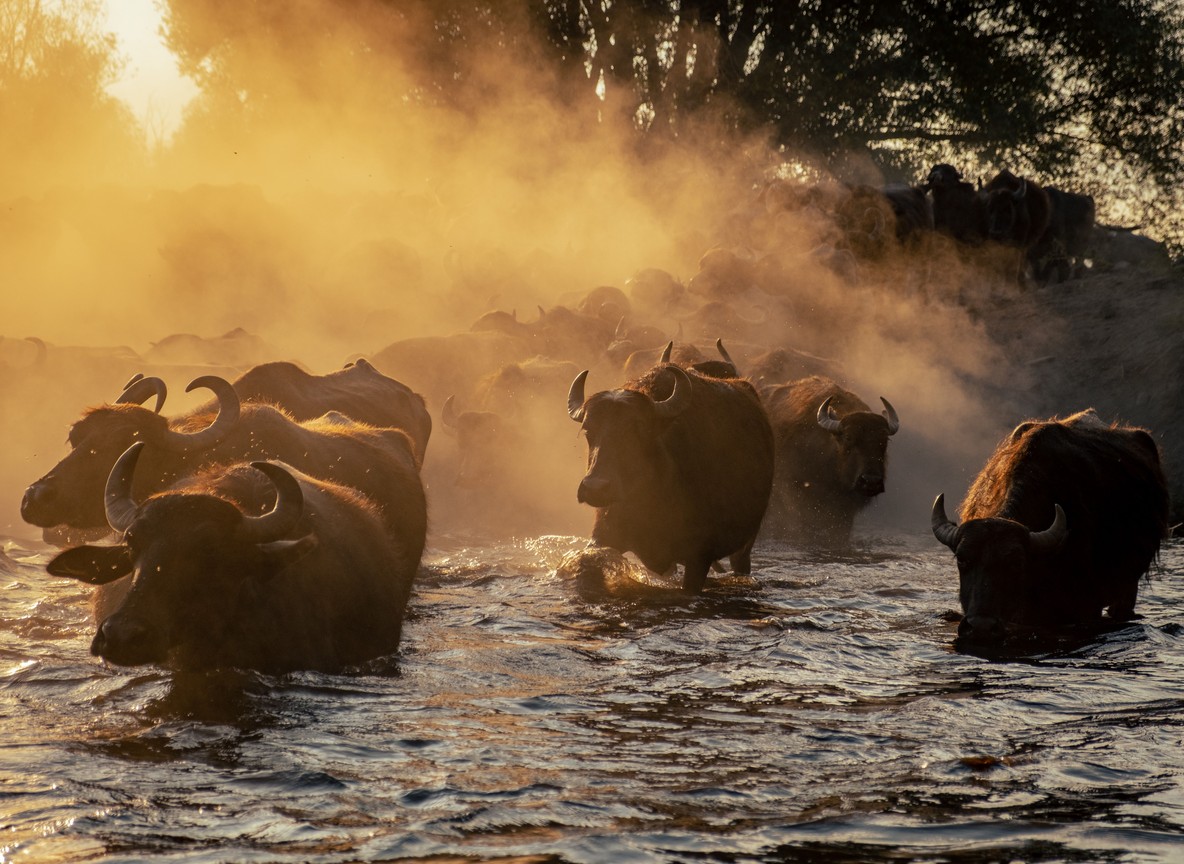
June through October is Kenya’s most famous window, and for good reason. The wildebeest and zebra migration crosses from Tanzania’s Serengeti into the Masai Mara around July, with Mara River crossings peaking from late July through September. Daytime temperatures in the Mara sit around 25-27°C, with cool mornings near 12-14°C. Rainfall drops to some of the lowest averages of the year, typically under 50mm a month.
This is also the busiest and priciest window. Camps like Angama Mara, Mahali Mzuri, and andBeyond Kichwa Tembo fill their honeymoon suites months ahead. Expect the highest nightly rates of the year and the most vehicles at a river crossing. If you want the migration spectacle as your honeymoon centerpiece, this window delivers it, but you should book 6-9 months out and expect peak-season pricing.
Short Dry Season (January to February): The Quiet Window
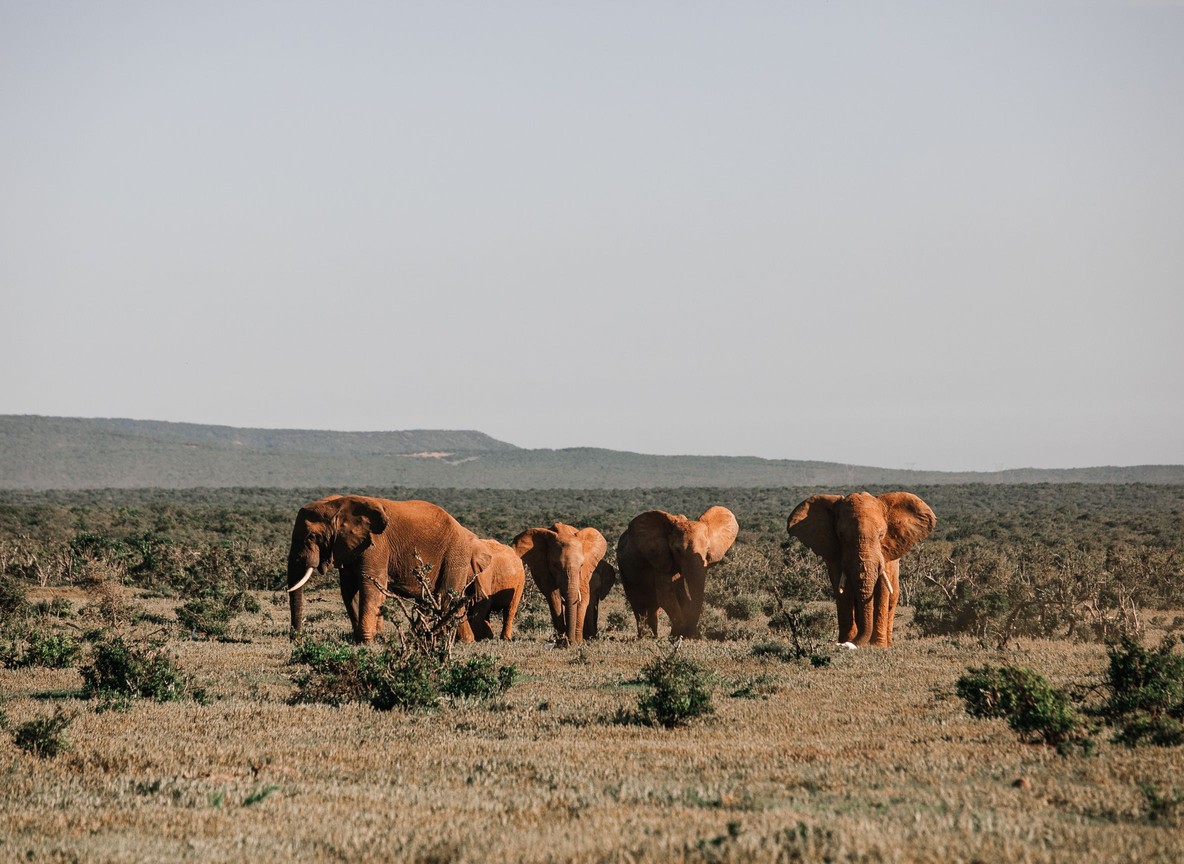
January and February offer a second, less crowded dry stretch. Rain eases after the November-December short rains, leaving clear skies and good game viewing again. This period overlaps with calving season in the southern Mara and in Amboseli, when thousands of wildebeest and zebra give birth over a few concentrated weeks. Predator action picks up as lions and cheetahs target vulnerable newborns.
Crowds thin out compared to peak season, and some camps offer lower honeymoon-suite rates than the June-October window. Amboseli is particularly strong in this period, with clear views of Mount Kilimanjaro across the plains most mornings before afternoon haze builds. Couples who want a quieter, more private-feeling trip, without giving up dry-season game viewing, often choose January or February over the crowded mid-year window.
Comparing the Two Dry Season Windows
| Factor | June-October (Long Dry) | January-February (Short Dry) |
|---|---|---|
| Typical Mara rainfall | Under 50mm/month (indicative average) | 40-60mm/month (indicative average) |
| Daytime temperature | 25-27°C | 27-30°C |
| Signature wildlife event | Mara River crossings (late Jul-Sep) | Southern Mara/Amboseli calving season |
| Crowd level at top camps | Highest of the year | Moderate, noticeably quieter |
| Honeymoon suite pricing | Peak rates (indicative: highest tier) | Shoulder-to-peak rates (indicative: 10-20% below June-Oct at some camps) |
| Booking lead time needed | 6-9 months for top camps | 3-6 months |
| Best paired parks | Masai Mara, Mara Triangle | Amboseli, southern Mara conservancies |
Prices above are indicative ranges only. Always confirm current honeymoon-suite rates directly with the camp or a licensed booking partner before you commit.
What the Rainy Season Months Actually Look Like
The long rains (March-May) and short rains (November-December) are not automatically a bad time for a honeymoon. Afternoon storms are usually short and heavy rather than all-day drizzle. Camps drop rates significantly, and some of the best honeymoon suites become far more affordable. The trade-off is muddier airstrip roads, occasional flight delays into smaller strips, and thicker vegetation that can hide wildlife.
April and November tend to be the wettest months and the hardest to plan reliably around. Shoulder weeks right before or after the heaviest rain, such as early March or mid-December, often give you lower prices with a manageable rain risk. If your honeymoon budget matters more than guaranteed dry-season game viewing, ask camps directly about their wettest weeks before booking a rainy-season date.
Matching Dry Season Timing to Your Honeymoon Camp
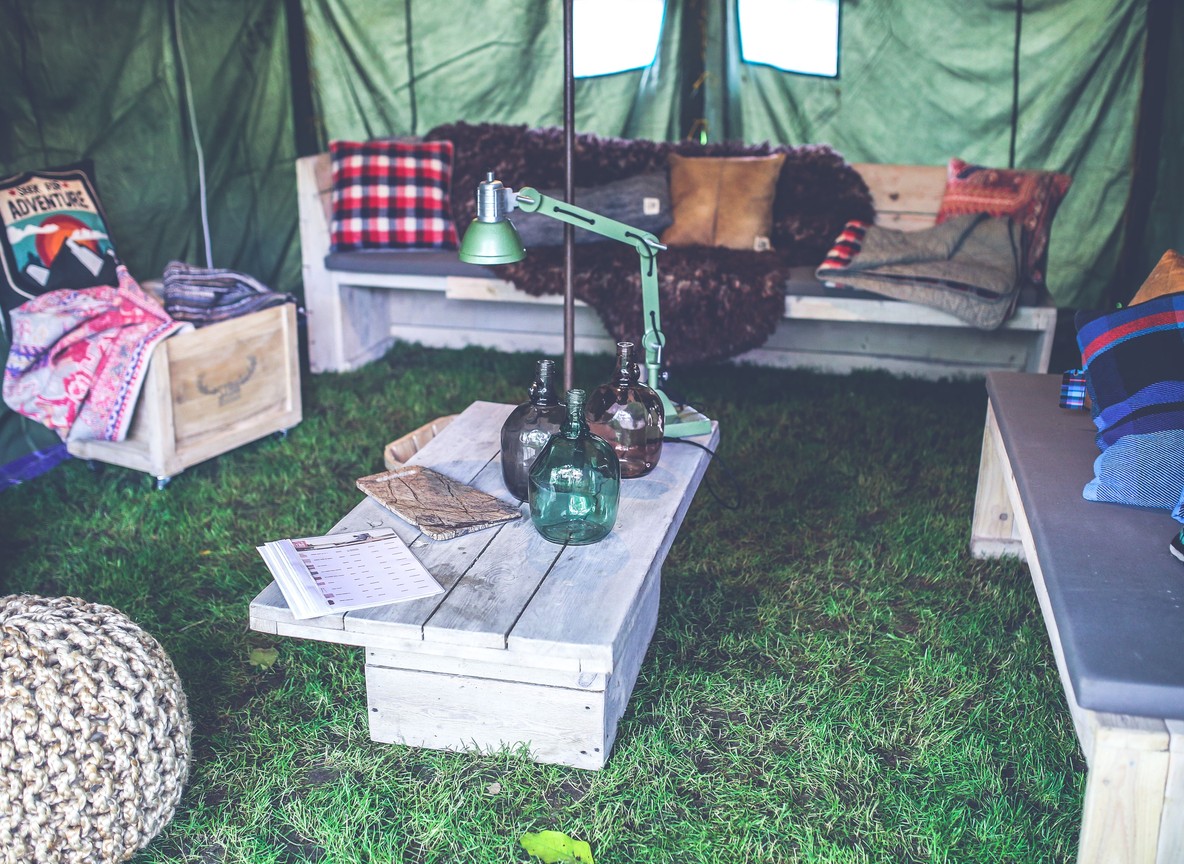
Camp choice should follow your season choice, not the other way around. For the June-October migration window, Angama Mara and andBeyond Kichwa Tembo sit close to the Mara River crossing points, cutting drive time to the action. Mahali Mzuri, tucked in the private Olare Motorogi Conservancy, trades river-crossing proximity for lower vehicle density and more flexible off-road game drives.
For the January-February calving window, Cottar’s 1920s Camp in the Mara’s southern conservancies puts you close to predator action during calving. In Amboseli, Ol Donyo Lodge in the Chyulu Hills gives Kilimanjaro views without the Amboseli park’s peak-season crowding. Whichever window you pick, confirm your honeymoon suite has the specific upgrade you want, since not every “honeymoon” room includes a private plunge pool or outdoor bath.
Getting There: Flights, Drive Times and Fees
Nairobi’s Wilson Airport runs daily scheduled flights to Masai Mara airstrips, including Musiara, Keekorok, and Ol Kiombo, taking roughly 45 minutes to an hour. Driving from Nairobi to the Mara covers about 270 km and takes 5-6 hours by road, longer in the rains. Amboseli sits closer, with a 30-45 minute flight from Wilson or a 4-hour, 240 km drive via Namanga or Emali.
Park and conservancy fees vary by entity and season. Masai Mara National Reserve (1,510 km2) and Amboseli National Park (392 km2) both charge non-resident daily conservation fees. These typically fall in the USD 60-100 range, depending on the gate and season. Treat that figure as indicative only, and confirm current KWS or county rates before travel. Private conservancies bordering the Mara, such as Olare Motorogi and Mara North, add their own separate conservancy fee, often bundled into the camp rate.
Transfers between Nairobi and camp also carry their own costs worth budgeting for. A scheduled Wilson Airport flight into the Mara or Amboseli typically runs in the low hundreds of US dollars per person, one way, though exact fares depend on the airstrip and airline. Road transfers cost less in dollars but more in driver time, since the 270 km route to the Mara takes most of a day once you add stops. Most couples pair one flight leg with one road leg to see more scenery without losing a full honeymoon day to driving both ways.
Explorer Notes

Book your honeymoon suite before you lock in your season, not after. The best rooms at Angama Mara and Mahali Mzuri sell out for June-October dates almost a year ahead. If you want a specific room with a private deck or star bed, call the camp directly rather than relying on a general rate quote.
Pack layers no matter which dry season you choose. Early morning game drives in July can feel close to freezing before sunrise, even though afternoons warm past 25°C. A fleece and a light rain shell cover both dry windows and the shoulder weeks around them.
Ask your camp about “honeymoon extras” in writing before arrival. Champagne, a private bush dinner, or a late checkout often need advance notice, and policies differ camp to camp. Confirming by email avoids a disappointing surprise on your first night.
Frequently Asked Questions
What is the single best month for a Kenya honeymoon safari? There is no single best month for everyone. September gives strong migration odds with slightly thinner crowds than August. February suits couples who want calving-season action with fewer vehicles at sightings.
Is a Kenya honeymoon safari good during the rainy season? Yes, if your budget matters more than guaranteed dry conditions. Rates drop, but expect muddier roads and a higher chance of a delayed light-aircraft flight.
How far ahead should we book a June-October honeymoon safari? Book 6-9 months ahead for the top honeymoon suites at camps like Angama Mara or Mahali Mzuri. Popular rooms sell out well before the season starts.
Do Masai Mara and Amboseli have the same dry seasons? Roughly, yes. Both follow the same long-rains, long-dry, short-rains, short-dry pattern, though Amboseli runs slightly warmer and drier overall.
Are conservancy fees separate from park entry fees? Usually yes. A private conservancy fee is separate from the Masai Mara National Reserve or Amboseli National Park gate fee, and camps often fold both into the nightly rate.
Once you have picked your season, the next step is matching it to a camp and itinerary that fits your budget. Check Touring Insights’ Tour Packages page for current honeymoon itinerary options, or talk to a licensed booking partner about specific dates before you commit to flights.
What to Read Next
- Best Kenya Safari Lodges for Honeymoons: 8 Picks Compared by Price and Privacy
- Kenya Safari Honeymoon Deals 2026: Real Discounts from Governors’, andBeyond and Cottar’s
- Amboseli Honeymoon Guide
Further reading
More safari planning resources
- Best time to visit Kenya month-by-month map from Valley Safaris
- Best time to visit Kenya on Touring Insights
- Honeymoon safari collection on FindMySafari
- Map of Amboseli from Valley Safaris
Related guides: Amboseli Birding: Wet Season vs Dry Season — What Each Delivers, Amboseli in October: Late Dry Season, and Why It Still Works Well.